Evidence-Based Psychotherapy
Originally developed by Francine Shapiro in the late 1980s, EMDR has become one of the most widely researched and utilized trauma therapies in modern mental health treatment.
Eye Movement Desensitization and Reprocessing (EMDR) is an evidence-based psychotherapy approach designed to help individuals process and heal from traumatic experiences, distressing memories, anxiety, and maladaptive emotional patterns.

Unlike traditional talk therapy, EMDR focuses less on extensively discussing traumatic events and more on helping the brain reprocess distressing experiences so they no longer produce the same emotional, physiological, or psychological intensity.
Originally developed by Francine Shapiro in the late 1980s, EMDR has become one of the most widely researched and utilized trauma therapies in modern mental health treatment.
EMDR focuses less on extensively discussing traumatic events and more on helping the brain reprocess distressing experiences so they no longer produce the same emotional, physiological, or psychological intensity.
Redeemed Mental Health offers the option to undergo EMDR with a trained EMDR clinician alongside Intensive outpatient treatment.
When overwhelming experiences occur, the brain and nervous system may struggle to fully process the event.
Instead of being integrated as a past memory, traumatic experiences can become “stuck” in the nervous system along with the emotions, beliefs, body sensations, and survival responses associated with them.
The nervous system may continue responding as though the threat is still occurring, even years later.
EMDR uses a structured eight-phase treatment model that combines focused attention on distressing memories with bilateral stimulation.
Bilateral stimulation typically involves guided eye movements, alternating tapping, auditory tones.
The goal is to help the brain reprocess unresolved experiences in a way that reduces emotional distress and allows adaptive beliefs to emerge.
During treatment, clients briefly access a distressing memory, associated emotions, physical sensations, negative beliefs connected to the experience.
As processing occurs, these beliefs often shift toward healthier adaptive perspectives.
“I am unsafe.”
“I am powerless.”
“I am not enough.”
“It was my fault.”
“I survived.”
“I am safe now.”
“I have control.”
“I am worthy.”
The goal is to help the brain reprocess unresolved experiences in a way that reduces emotional distress and allows adaptive beliefs to emerge.
EMDR is increasingly understood not only as a cognitive therapy, but also as a nervous system-based intervention.
Trauma frequently disrupts the body’s ability to regulate stress responses. EMDR helps reduce chronic activation by allowing previously unresolved experiences to move through the nervous system rather than remaining physiologically “frozen.”
As the nervous system no longer perceives the memory as an immediate threat, physiological regulation often improves naturally.
Although EMDR is best known for treating trauma and Post-Traumatic Stress Disorder, it is also used to address a wide range of emotional and psychological concerns.
EMDR is often integrated into broader treatment approaches that include mindfulness, DBT skills, somatic interventions, and nervous system regulation strategies.
EMDR can be especially beneficial within an Intensive Outpatient Program (IOP) because clients receive increased therapeutic support, ongoing stabilization work, frequent clinical monitoring, group processing opportunities, additional coping skill development between sessions.
IOP settings often combine EMDR with distress tolerance skills.
IOP settings often combine EMDR with emotional regulation training.
IOP settings often combine EMDR with mindfulness practices.
IOP settings often combine EMDR with somatic grounding.
IOP settings often combine EMDR with psychoeducation.
This integrated approach can help clients remain emotionally supported while processing difficult experiences.
Effective EMDR treatment is not about rapidly exposing individuals to traumatic memories. Before trauma processing begins, therapists focus heavily on stabilization and safety.
For individuals with significant dissociation, chronic instability, or complex trauma histories, preparation phases may take considerable time—and appropriately so.
EMDR is most effective when clients feel adequately resourced and supported throughout the process.
EMDR reflects a growing understanding that healing involves more than insight alone. Trauma impacts the brain, body, emotions, and nervous system simultaneously, requiring approaches that address all levels of experience.
Rather than forcing individuals to repeatedly relive painful memories, EMDR helps the nervous system metabolize unresolved experiences so they can be integrated adaptively.
For many individuals, this process creates not only symptom relief, but also increased resilience, emotional flexibility, and a renewed sense of safety within themselves and the world around them. Redeemed Mental Health recognizes the importance and vulnerability of this process and can provide support in this area.
Redeemed Mental Health offers the option to undergo EMDR with a trained EMDR clinician alongside Intensive outpatient treatment.
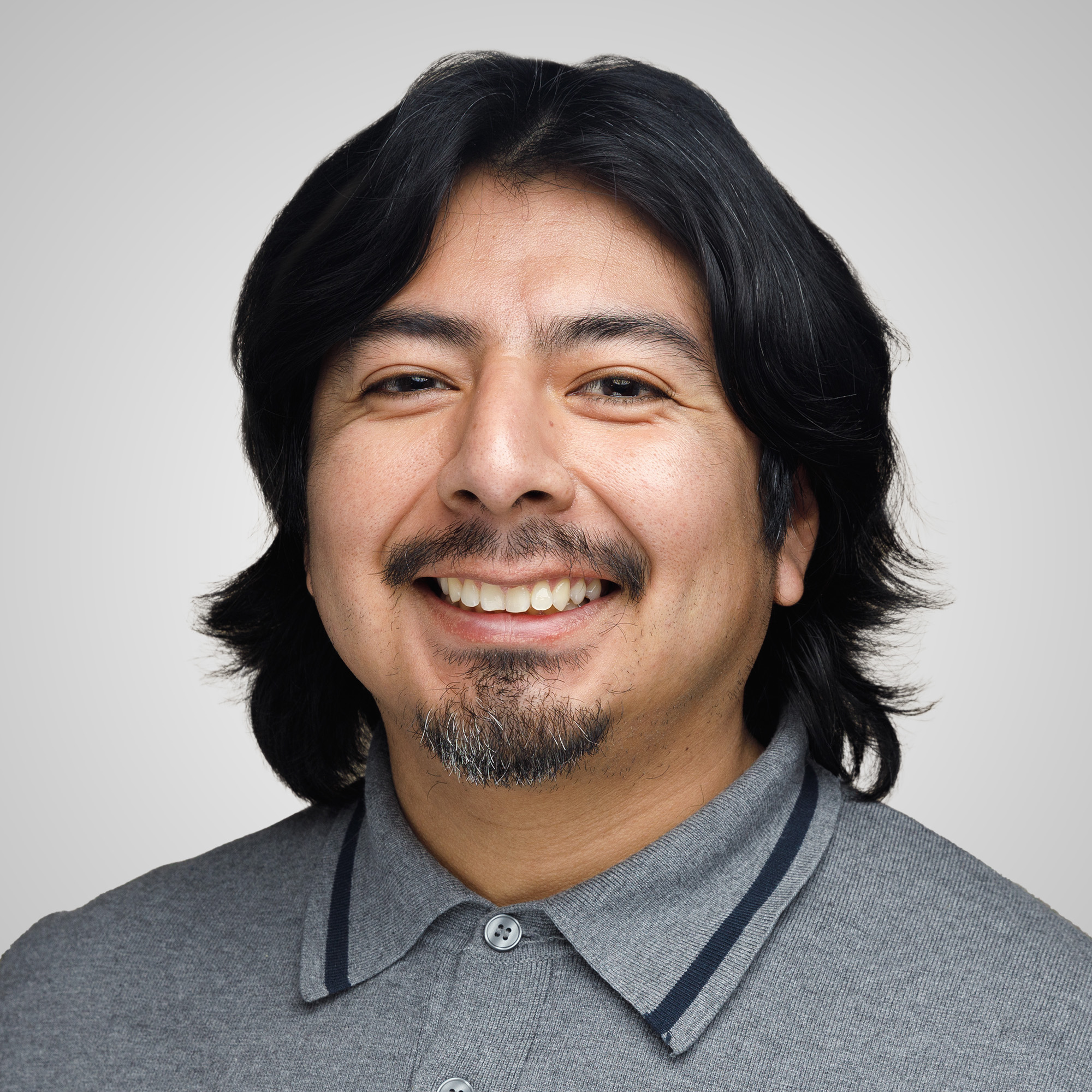
Francisco is an associate professional clinical counselor (APCC) who received his Master’s in Forensic Psychology at The Chicago School in Anaheim. His experience as a therapist in the mental health and substance use field has addressed various issues that can lead a person or persons to seek therapy. These issues include drug or alcohol use, marital struggles, anxiety, depression, grief, trauma, domestic violence, anger issues, and intersectionality.
Francisco’s goal is to work with the person(s) in building a healthier and more fulfilling life. To that end, Francisco aims to support and guide each person in self-discovery, improvement, and building skills for a healthier, sustainable lifestyle.
Francisco utilizes a family systems, Adlerian, Jungian, and psychodynamic approach to his work. Further, he incorporates Spanish into his therapy and is fluent, as he comes from a proud Mexican heritage.
Outside of therapy, Francisco enjoys spending time outdoors, connecting with nature, and spending time with others, and believes that being active and mentally active is a core feature in a holistic life.
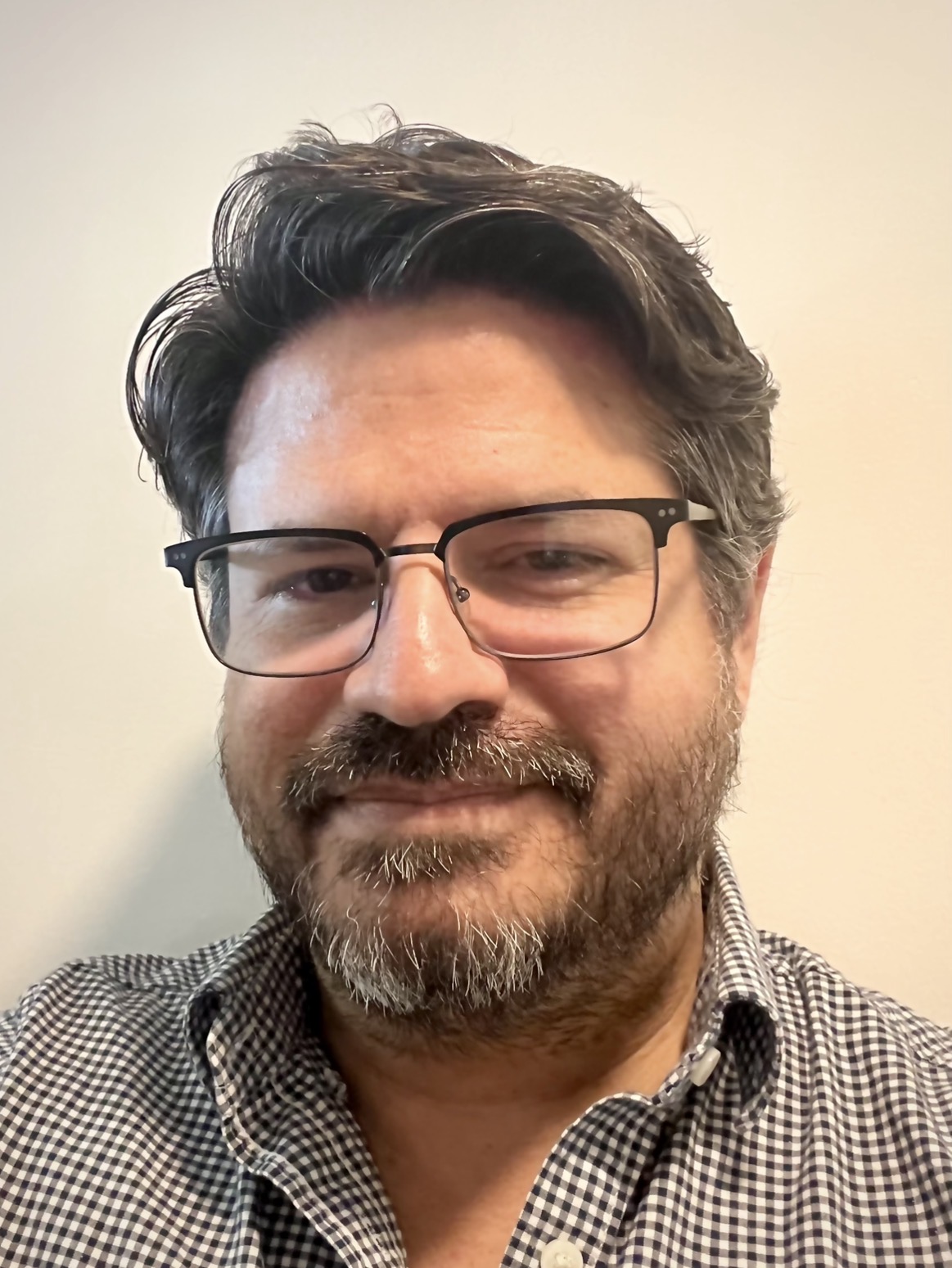
Xavier brings over 20 years of experience working in community mental health settings supporting children, families, and adults with a wide range of psychological and substance use challenges. He has extensive experience working with adults experiencing co-occurring disorders, emotional dysregulation, trauma-related symptoms, and difficulties related to mood, anxiety, and addiction. Xavier has provided services in multidisciplinary treatment environments, including individual and group therapy, skills training, and recovery-oriented care.
His clinical approach is collaborative, goal-focused, and grounded in evidence-based modalities including Cognitive Behavioral Therapy (CBT), Dialectical Behavior Therapy (DBT), Motivational Interviewing, mindfulness-based interventions, and trauma-informed care. Xavier also brings specialized training in Clinical Hypnotherapy, which he integrates when appropriate to support emotional regulation, habit change, and strengthening adaptive patterns.
In addition to his clinical training, Xavier is a musician and incorporates creative and experiential elements into treatment when therapeutically appropriate, including mindfulness-based sound exercises and metaphor to enhance engagement, emotional processing, and skill integration.
Xavier holds a Master’s degree in Counseling Psychology with an emphasis in Depth Psychology from Pacifica Graduate Institute and is a Certified Clinical Hypnotherapist graduated from HMI (Hypnosis Motivation Institute).
He works with individuals facing a wide range of mental health challenges, including anxiety, depression, trauma, life transitions, relationship difficulties, and addiction. His approach is collaborative and client-centered, combining evidence-based techniques with deeper insight-oriented work to help clients recognize patterns, build coping skills, and create lasting change.
Whether clients are seeking practical strategies for current challenges or exploring deeper emotional processes, he tailors treatment to meet each person’s unique needs and goals. He is committed to creating a safe, supportive, and nonjudgmental therapeutic environment where clients feel heard and understood.
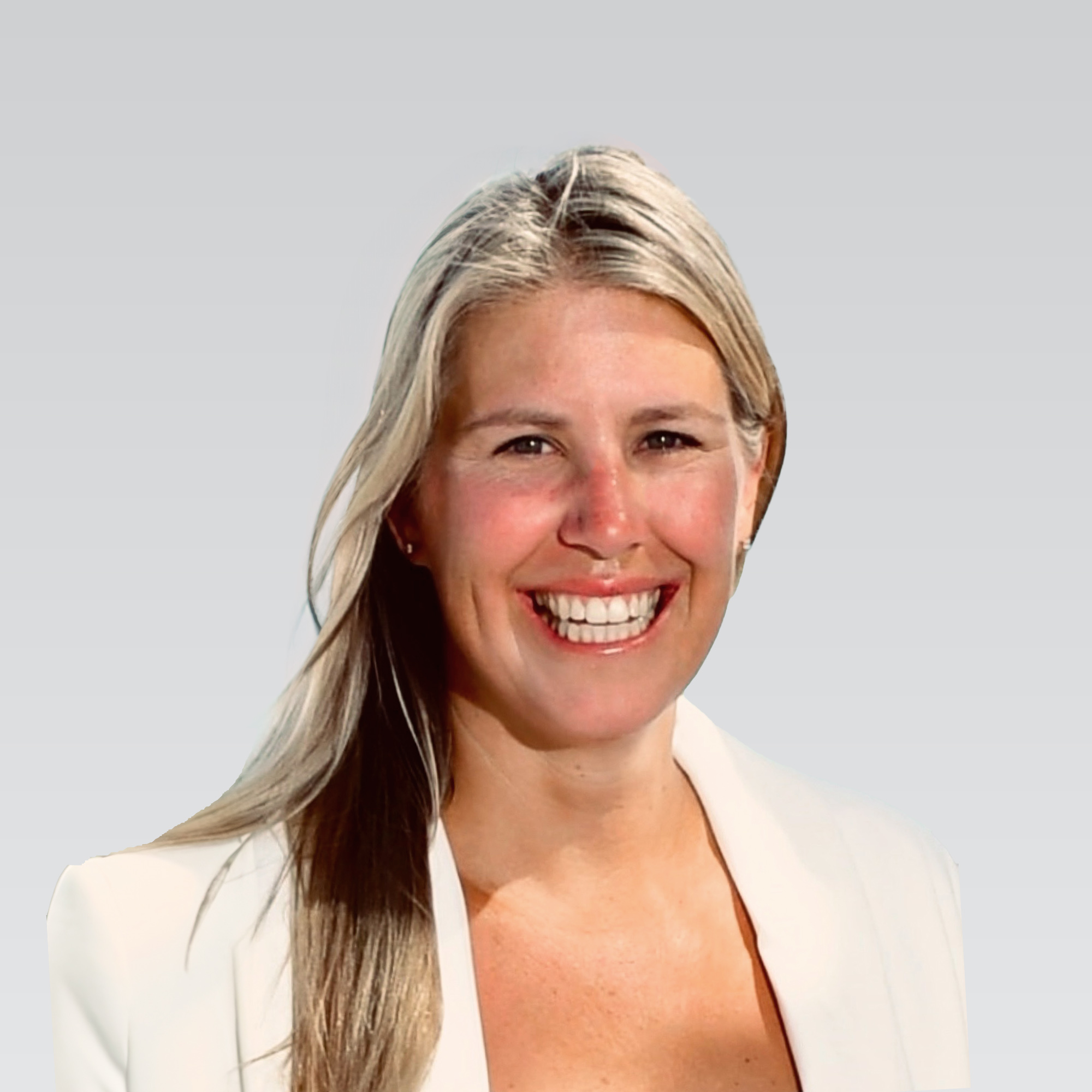
Alyson, ACSW, brings a strong clinical foundation and a deep commitment to supporting individuals through life’s most vulnerable seasons. With a Master’s degree in Social Work from UCLA, she has developed expertise in reproductive mental health and works closely with clients navigating anxiety, mood disorders, identity shifts, and major life transitions.
Alyson takes a person-centered approach, creating a warm and non-judgmental space where clients feel heard, supported, and empowered to explore their experiences. She integrates cognitive behavioral therapy (CBT) techniques to help clients understand the connection between thoughts, emotions, and behaviors, while developing practical tools for everyday life.
She also has extensive experience facilitating group therapy, valuing the insight, connection, and shared growth that emerge in a collective setting. Her approach is collaborative, strengths-based, and focused on fostering both resilience and meaningful personal growth.
Outside the therapy room, Alyson enjoys spending time outdoors and believes that connection—to self, others, and the natural world—plays an important role in overall well-being. She is dedicated to helping each client feel supported and empowered throughout their therapeutic journey.
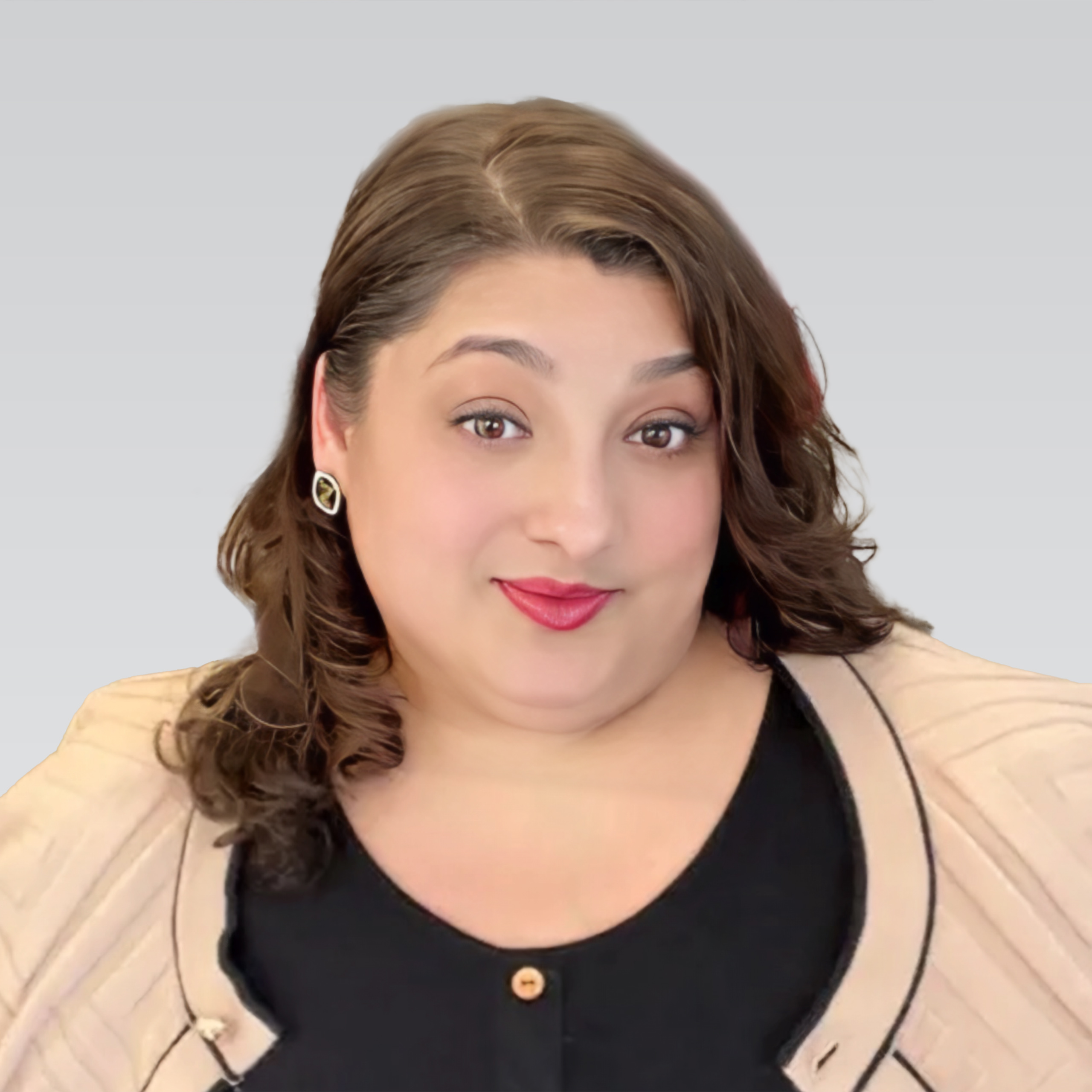
Dr. Estera Borcsa, Psy.D., is a licensed psychotherapist and neuroscientist with over twenty years of experience supporting healing across clinical, academic, and community-based settings. She brings a trauma-informed, neuroscience-based approach to care, helping individuals understand how the brain responds to trauma and how meaningful change and resilience are possible at every stage of life.
Dr. Borcsa has worked with clients across the lifespan, from early childhood through older adulthood, and is deeply committed to breaking generational cycles of trauma. Her clinical work integrates cutting-edge neuroscience with compassionate, culturally responsive therapy, allowing clients to translate complex concepts into practical tools for healing and growth.
In addition to her clinical practice, Dr. Borcsa has held leadership roles in higher education and global advocacy, including serving as an adjunct professor at California Baptist University and contributing to international trauma-informed initiatives. She is the founder of Teach Train Transform (TTT) International, an organization dedicated to education, advocacy, and neuroscience-based healing.
Dr. Borcsa earned her doctoral degree with a research focus on trauma, neuroscience, and collective healing, and holds a master’s degree from the University of Southern California with a concentration in psychology, policy, and law. Her work continues to bridge science and humanity, empowering individuals and communities to move forward with clarity, compassion, and purpose.
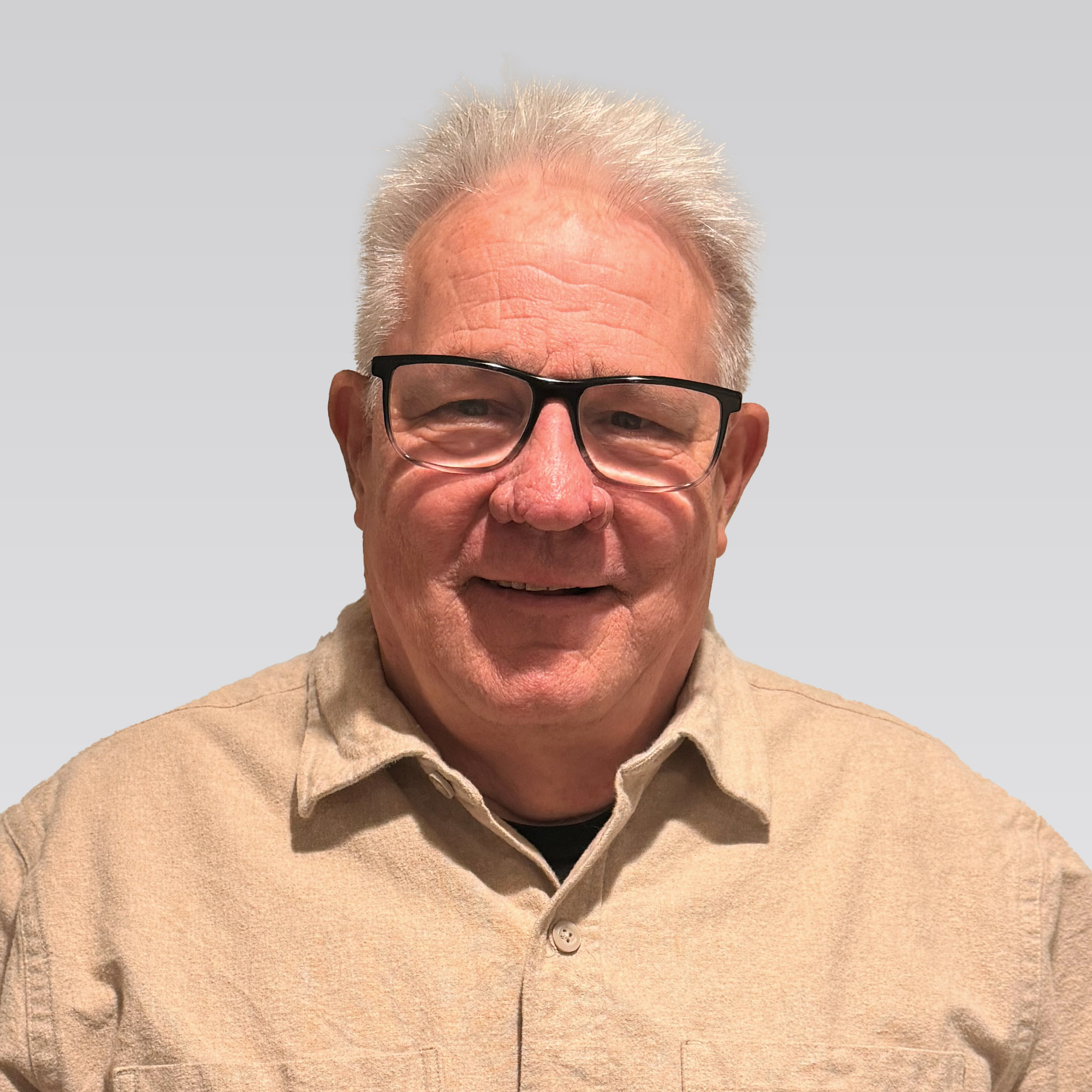
Don brings to Redeemed Mental Health extensive experience working with individuals, couples and families across a broad spectrum of therapeutic modalities and mental health challenges. Don’s previous experience includes group and 1:1 therapy at multiple providers including Jewish Family and Children’s Services, Boys and Girls Club of Garden Grove/Orange County Social Services, New Found Life Substance Abuse Treatment Center (Long Beach) and College Hospital Costa Mesa Partial Hospitalization Program.
His practice includes a person-centered stance and clinical skills in: Narrative Therapy, Motivational Interviewing, EFT, Gottman Level One Training, CBT, CBT-F, Combined Parent-Child CBT, Brief Solution Focused Therapy and DBT. Don also uses his extensive experience as an award winning executive creative director working for major global brands as well as his expertise as a musician, playwright and film maker to creative and deliver highly effective, immersive, group therapy experiences.
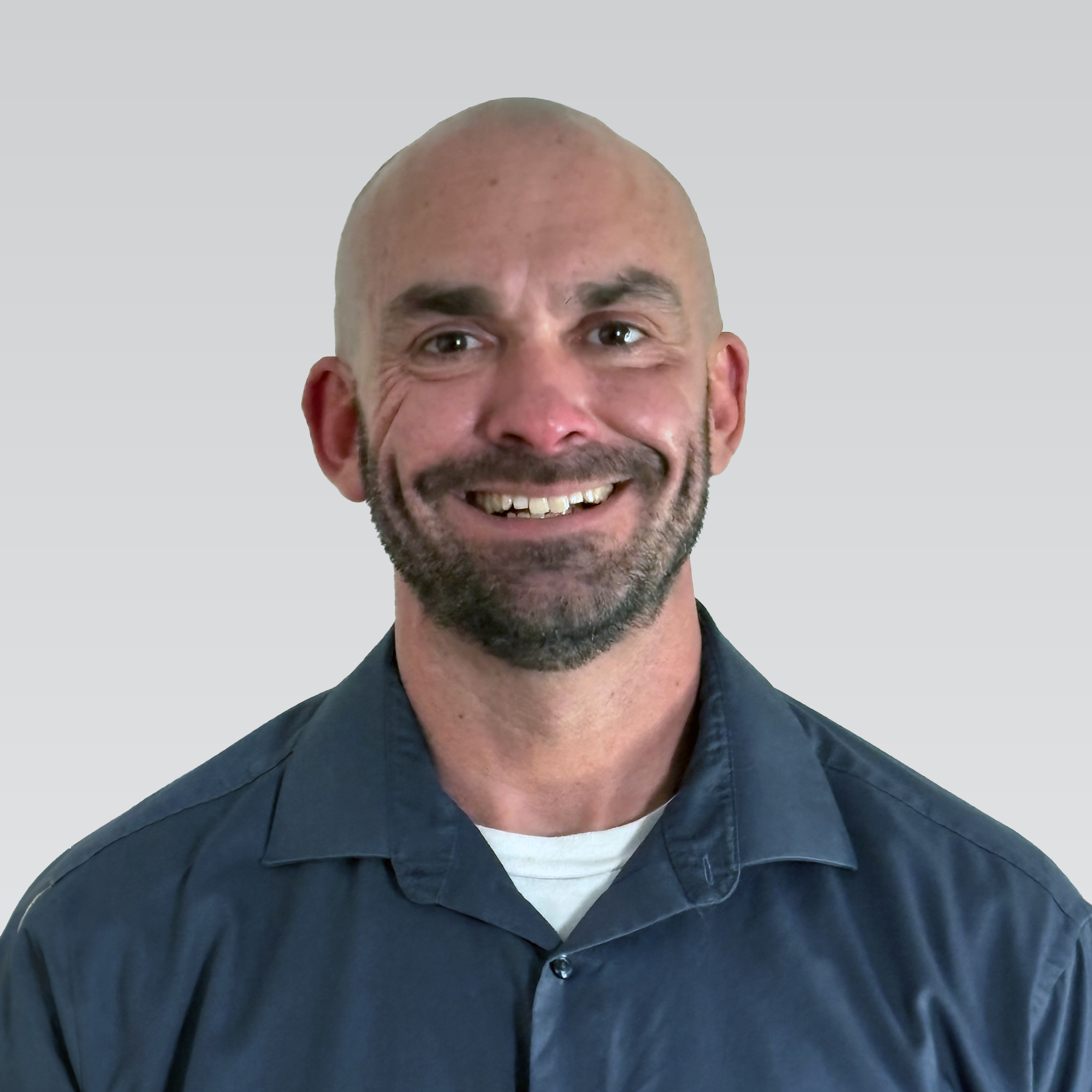
Scott is a skilled and compassionate therapist dedicated to helping individuals and couples overcome life’s challenges and affect meaningful change. He earned a Master of Social Work from the University of Southern California and a bachelor’s degree in Criminal Justice.
With a wealth of experience working with individuals in both clinical and community-based settings, Scott has worked with clients as they navigated challenges related to depression, anxiety, bipolar and mood disorders, and substance use. In addition to his individual work, Scott is passionate about helping couples strengthen communication, rebuild trust, and foster healthier, more connected relationships.
Known for his warm, collaborative approach, Scott believes that healing begins with genuine understanding and partnership. He works alongside clients to uncover their inner strengths, develop effective coping strategies, and build the confidence needed to step into a life of self-directed recovery. His goal is to create a supportive environment where every person feels heard, valued, and empowered in their journey toward recovery and personal growth.
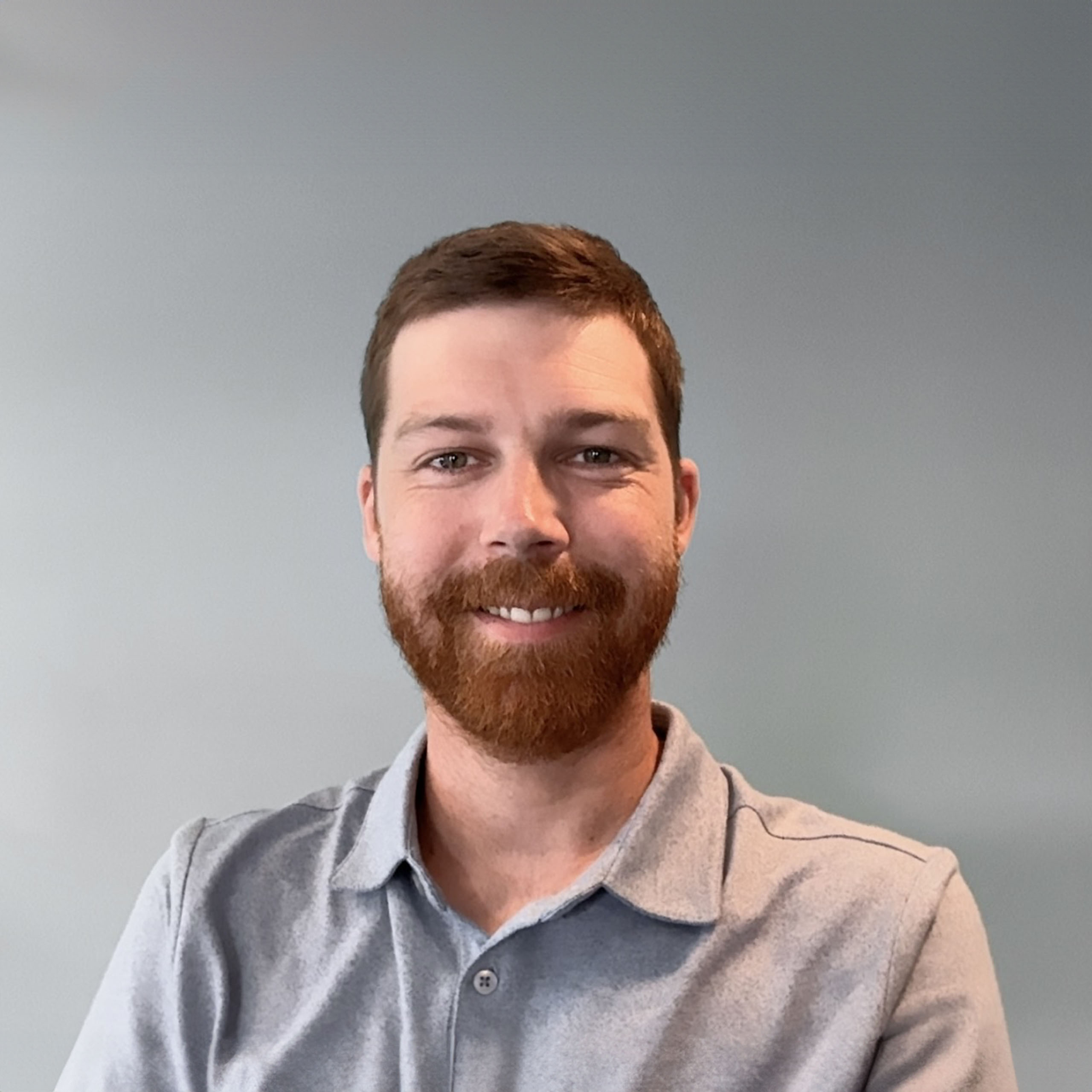
Matthew brings over a decade of experience in behavioral healthcare, with a specialized focus on administration, compliance, and organizational development. He earned a Bachelor’s degree in Psychology from Pennsylvania State University and has contributed to innovative programs in the Northeast.
In these roles, he played a key part in cultivating community-based programs centered on diversion, peer support, and evidence-based clinical interventions. His expertise includes building mission-driven teams, fostering positive workplace culture, designing sustainable systems, and operationalizing scalable models to improve both staff efficiency and client outcomes.
As a person in long-term recovery, Matthew is deeply committed to the belief that individuals can—and do—reclaim vital roles within their families and communities. This conviction drives his leadership and continues to shape his work in advancing recovery-oriented care.
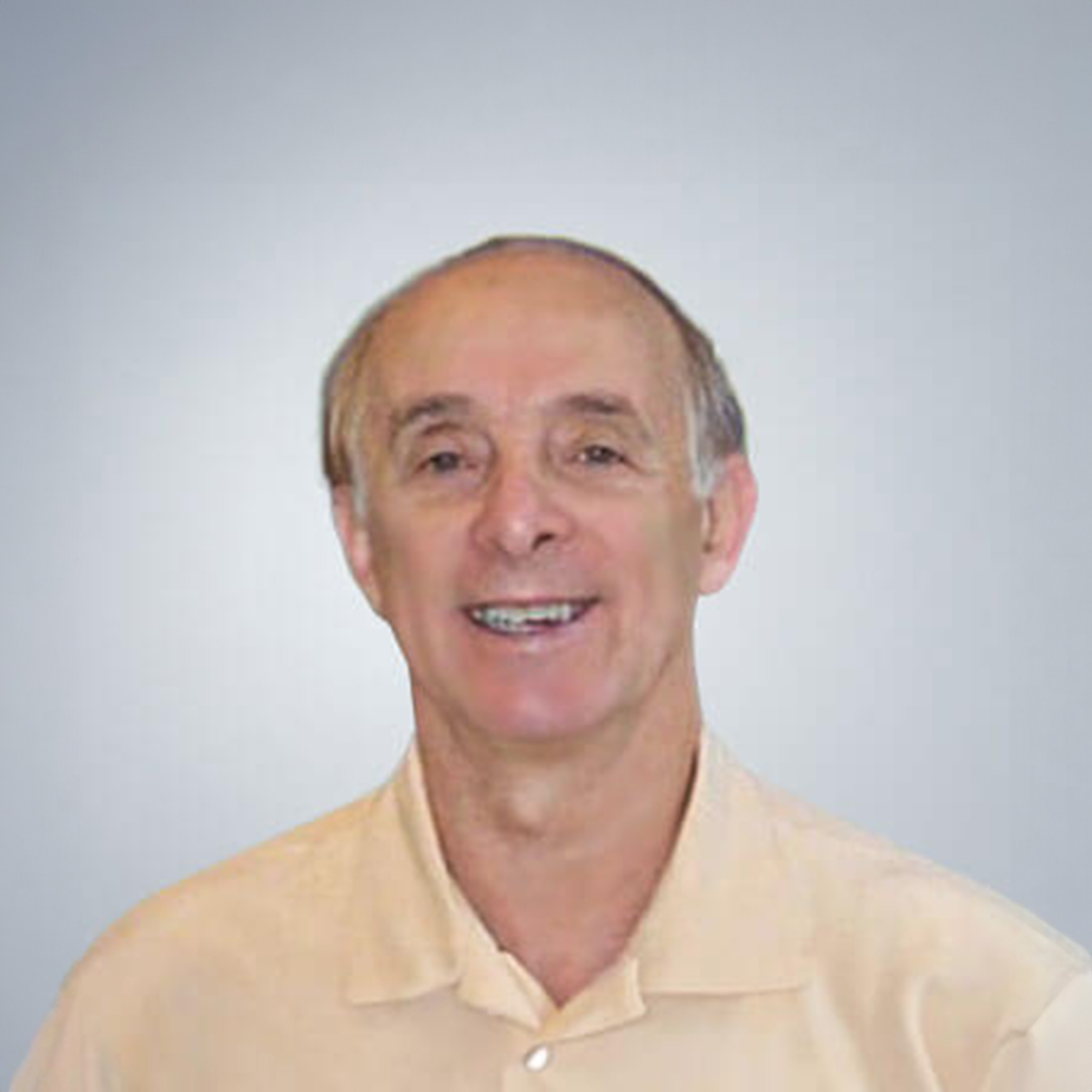
Dr. Warren Taff, M.D., graduated from the University of Birmingham, England School of Medicine, and earned a BA from Rutgers University. He later attended the UCLA School of Public Health where he received his Master of Public Health (MPH) in Health and Human Services.
He completed an internal medicine internship with the Veterans Administration, followed by a residency in General Psychiatry at the University of Southern California (USC). His training also included elective residencies at the Royal Prince Alfred Hospital in Sydney, Australia, and the Royal College of Psychiatry.
Dr. Taff is board-certified by the American Board of Psychiatry and Neurology. With a career spanning from 1979 to the present, he brings extensive experience in both psychiatry and addiction medicine. His leadership roles have included serving as Chief of Staff and Medical Director in both hospital and private practice settings.
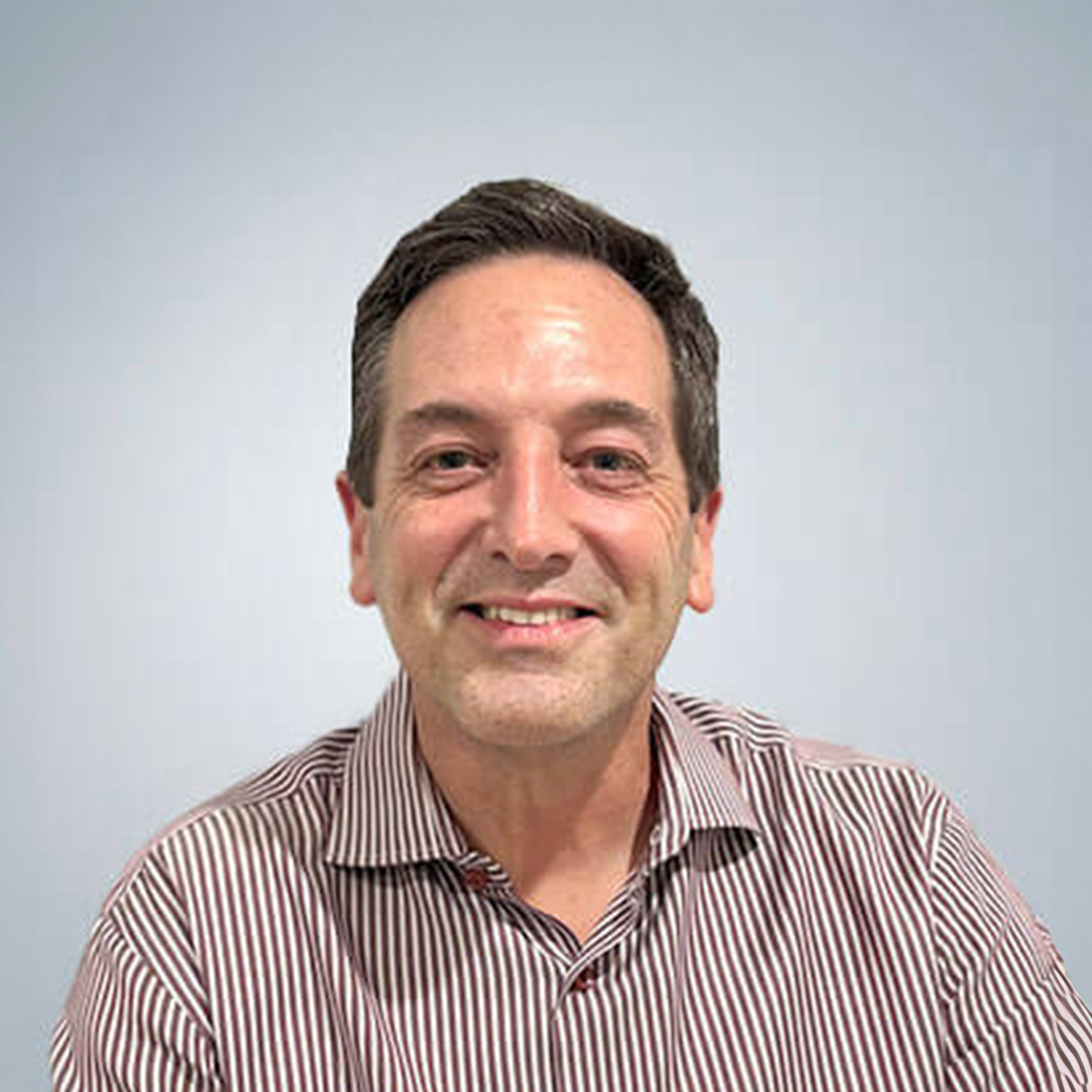
Dr. Mike Kelly, DNP, is a board-certified Psychiatric Doctor of Nurse Practice. He completed his education at the University of Long Beach and Chapman University, and brings over 20 years of psychiatric clinical experience to his work.
Dr. Kelly provides general psychiatric and addiction medicine services across a variety of care settings, including private clinics, acute inpatient psychiatry, assisted living, partial hospitalization programs, residential detoxification, and sober living psychiatric consultation with Medication-Assisted Treatment (MAT).
He is affiliated with hospital-based environments where he offers acute in-patient and out-patient psychiatry, emergency room psychiatric triage, and psychiatric consultations. His well-rounded expertise supports individuals across the full continuum of mental health and addiction care.
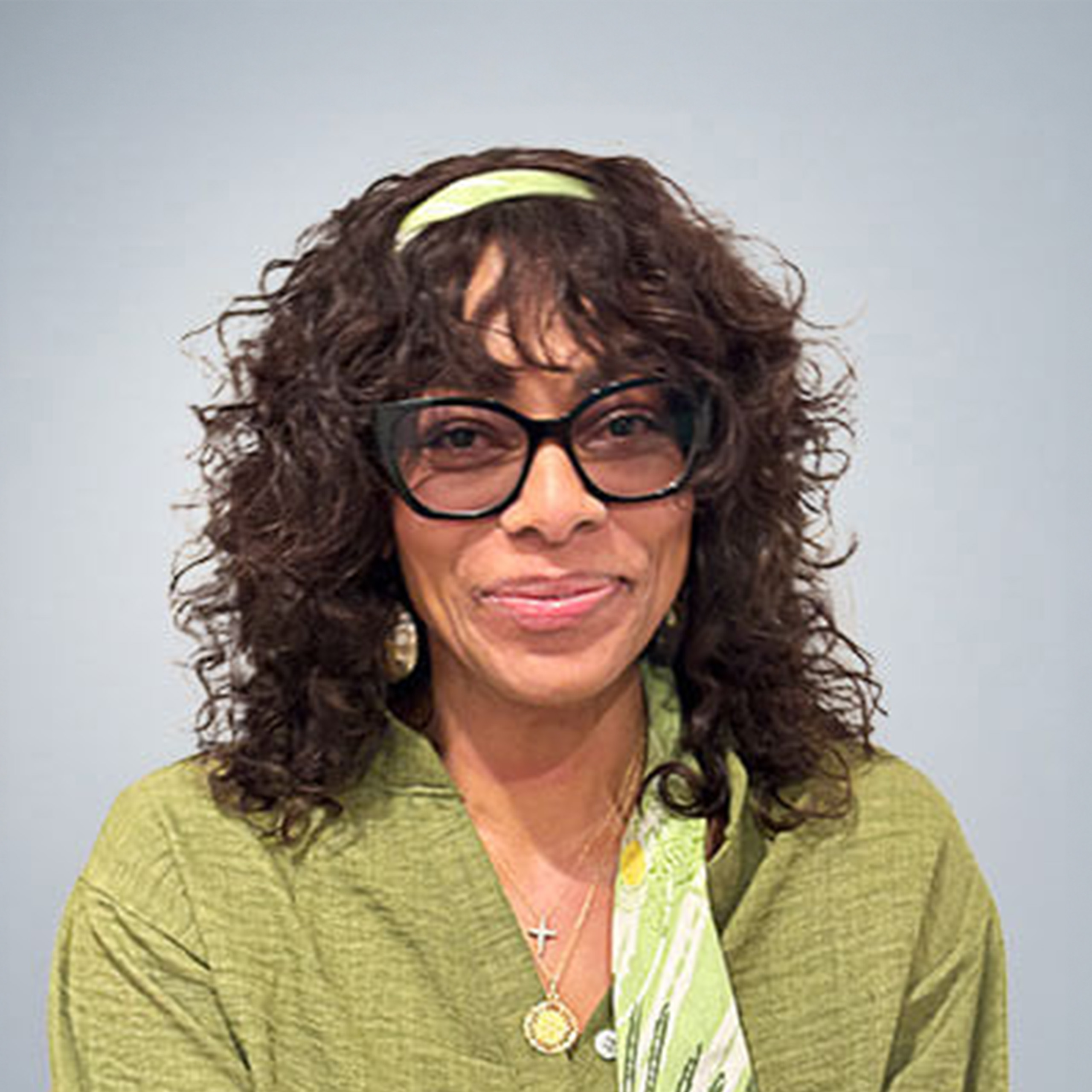
Ashley is an Associate Marriage and Family Therapist currently pursuing her Doctorate in Marriage and Family Therapy. Her therapeutic approach is rooted in Symbolic Experiential Therapy and Collaborative Language Systems, blending creative, experiential techniques with a focus on how language and meaning shape personal and relational dynamics.
Drawing from both formal training and lived experience, Ashley believes therapy is a co-created space where curiosity, metaphor, and connection pave the way for intentional examination. She views the therapeutic relationship as elemental to change—creating a space where clients are witnessed, challenged, and empowered.
Often leaning into the messy, confusing, and contradictory edges of growth, Ashley fosters a therapeutic environment where true transformation can take root. She specializes in trauma, substance abuse, racially charged imposter syndrome, and domestic violence.
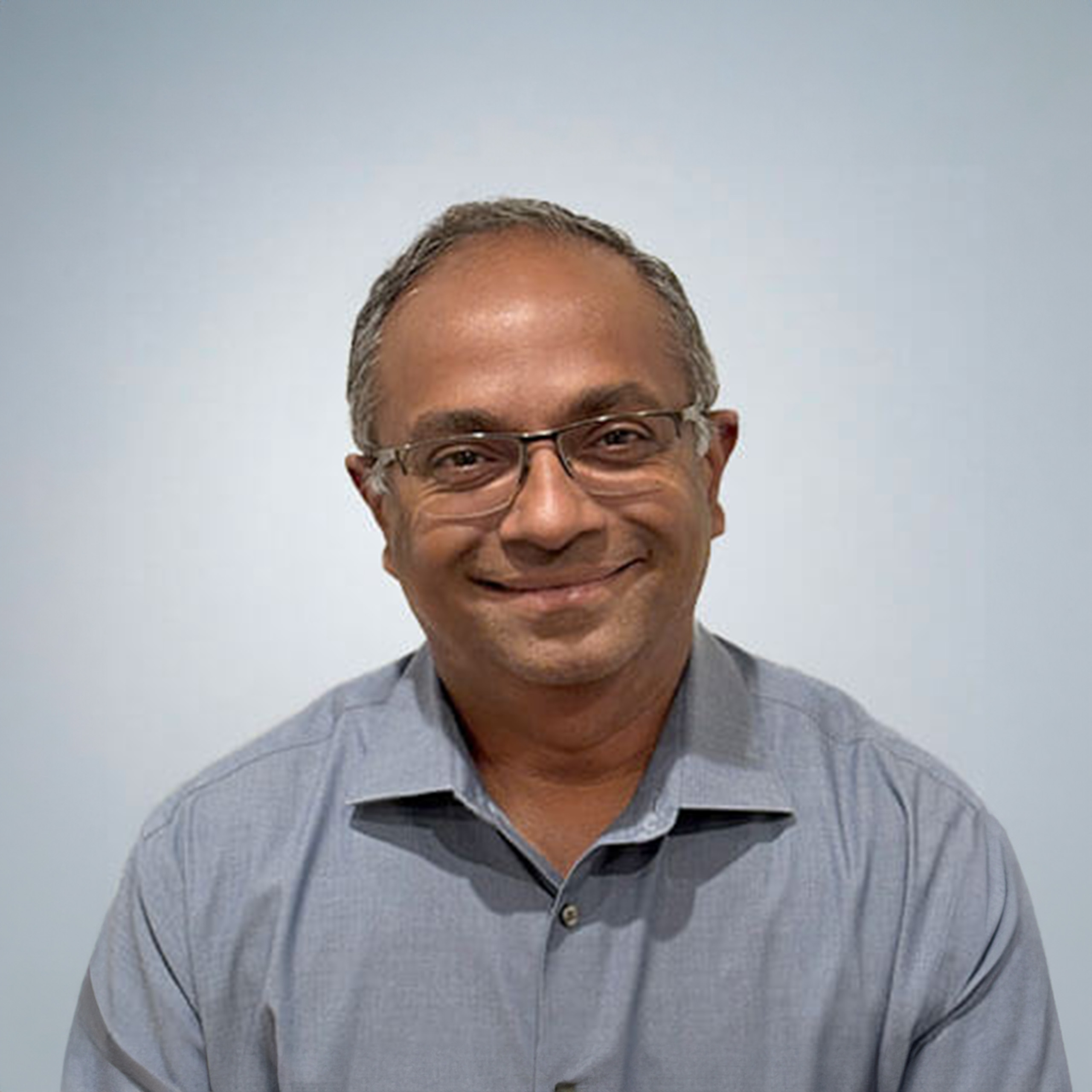
Dr. Raj Augustine, Ph.D., is a highly experienced and dedicated professional with a robust background in clinical psychology and healthcare administration. Holding a Ph.D. in Clinical Psychology from Fuller Theological Seminary, Dr. Augustine brings a unique blend of clinical expertise and strategic oversight to his role.
Before transitioning into administrative leadership, Dr. Augustine served as a Registered Psychologist at Kedren Community Health Center, specializing in psychological assessments, treatment planning, and crisis intervention for in-patient residents. He also developed and delivered training on psychological assessment, cognitive behavioral therapy (CBT), and dialectical behavior therapy (DBT).
His administrative career includes serving as Quality Improvement Manager and Training Director at Pacific Asian Counseling Services, where he oversaw clinical training, policy development, and staff performance in alignment with state regulations. Additionally, he provided mental health services to inmate-patients as a Staff Psychologist for the California Department of Corrections and Rehabilitation, focusing on group skills training, suicide prevention, and therapy.
Dr. Augustine’s professional journey spans juvenile justice, private practice, skilled nursing facilities, and educational settings—demonstrating his versatility and depth of experience in psychological care, program development, and leadership. He is especially passionate about solution-focused therapy that builds on a client’s natural strengths.
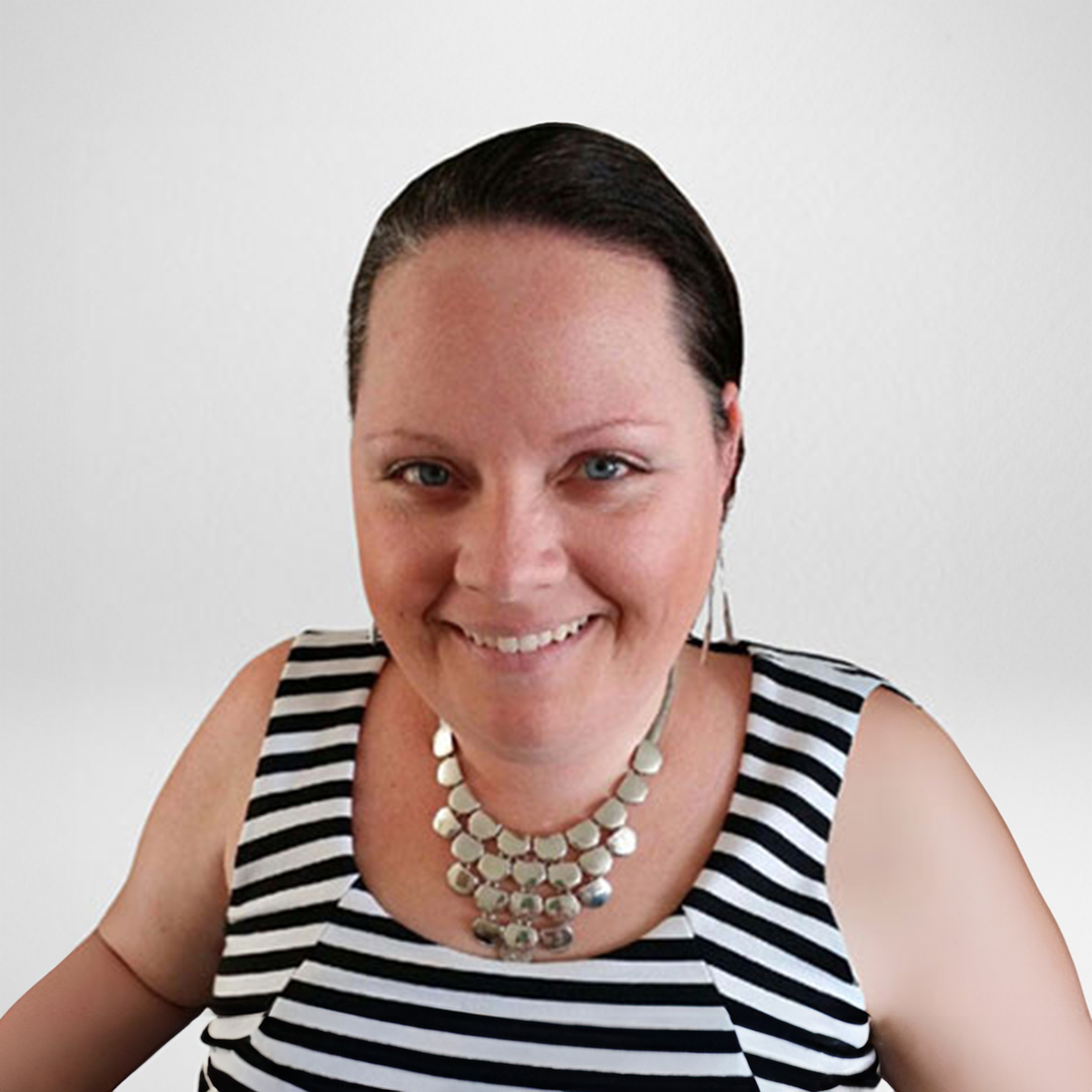
Dr. Jodi P. Copeland, Psy.D., believes in the power of a solid support system. She works collaboratively with clients and their care teams to foster empowerment and provide encouragement on the journey toward achieving personal goals.
She earned a Master’s degree in Counseling Psychology from Walden University and went on to complete her Doctorate in Clinical Forensic Psychology at The Chicago School of Professional Psychology.
Dr. Copeland has provided mental health treatment in a variety of settings, including the California Department of Corrections and Rehabilitation, Los Angeles Job Corps, Los Angeles Mission, and Casa De La Familia.
She specializes in helping adults using evidence-based approaches such as cognitive behavioral therapy (CBT), mindfulness, and motivational interviewing. Her experience spans working with addiction, LGBTQIA+ communities, adult community mental health, anxiety, self-esteem, disabilities, and both individual and group therapies.
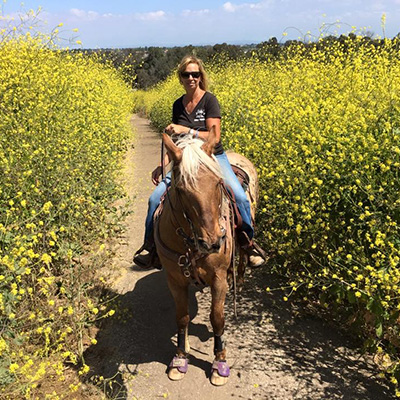
Donna is a PATH Certified Instructor with a CTRI certificate. She began riding horses in college, where she trained in saddle seat, entered competitions, and won several ribbons.
After graduating with an engineering degree and moving to California, Donna became a mother of three. Her second child, Jamie, is severely developmentally delayed and autistic. At eight years old, Jamie began riding with The Therapeutic Riding Center (TRC) in Huntington Beach—and she flourished.
Inspired by her daughter’s progress, Donna began volunteering at TRC as a side-walker, then as a horse leader. She eventually became Board President and Head Instructor. Donna shares, “I have seen firsthand what this program can do for children and adults with all different types of disabilities. It builds confidence and self-esteem where there is usually little.”
Today, she owns a sweet Palomino named Trigger who enjoys gymkhana, trail riding, and even cow sorting.
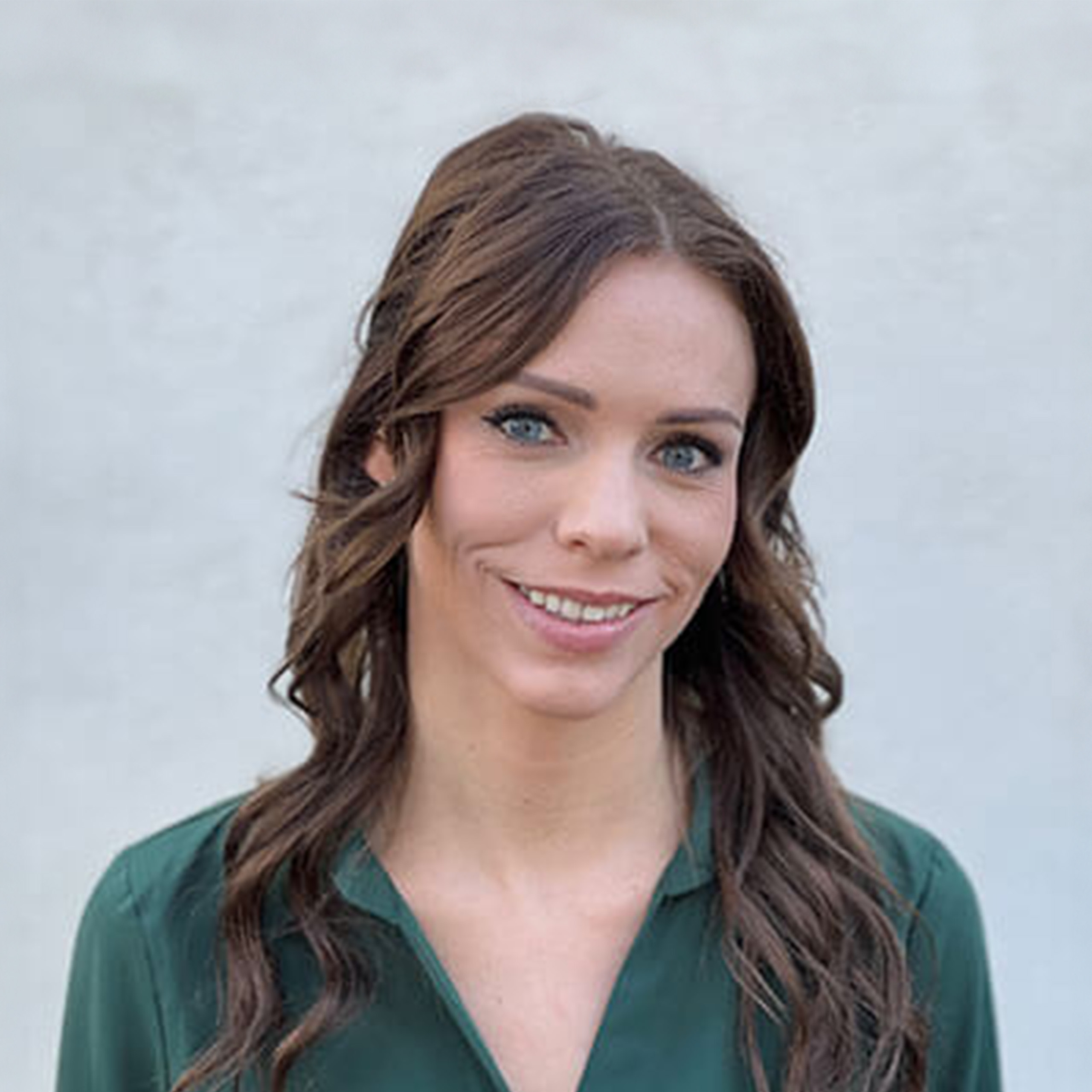
Laura is a compassionate and skilled therapist with a Master’s degree in Clinical Psychology and years of experience helping individuals navigate life’s challenges. She takes a person-centered approach, creating a warm and non-judgmental space where clients feel heard and empowered to explore their emotions and experiences.
Laura specializes in addressing a wide range of issues, including anxiety, depression, relationships, trauma, and domestic violence. She tailors her therapeutic techniques to each client’s unique needs, fostering growth, resilience, and healing.
She is dedicated to supporting her clients in building healthier, more fulfilling lives.
Danielle is enthusiastic about assisting mental health organizations in making a broader impact within the communities they serve and the individuals they treat. She contributes a strategic business mindset and a genuine desire to help people get the care they deserve.
Danielle interweaves professionalism and empathy to initiate quality, discrete care in her work in the behavioral health sector. She holds a background in Human Development with a minor in Psychology.
Her professional experience spans business development, operations, and marketing in fast-paced ventures and real estate, prior to her transition into mental health. Through strategic collaboration and foresight, she has helped establish new markets, scale early-stage enterprises, and promote sustainable growth.
At Redeemed Mental Health, Danielle applies this experience to assist in developing mission-aligned, impactful growth strategies and partnerships. Her methodology is rooted in purpose—maintaining connection to the core of the work while helping organizations expand with intention.
Frederick L. Williams is a Licensed Marriage and Family Therapist. He holds a Master of Science in Clinical Psychology from Vanguard University of Southern California and has worked in the clinical field since 2004.
Most of his career has been spent serving in local non-profit organizations, focusing on areas such as anger management, domestic violence, substance abuse, anxiety, relationship concerns, trauma, depression, and parenting.
Frederick is also an active member of the Orange County Behavioral Health Advisory Board, where he currently serves as Vice Chair. His client-centered therapy approach helps individuals strengthen personal authority over their healing process by promoting self-actualization and offering a safe, accepting space for growth.
With a Master’s degree in Clinical Counseling, specializing in Marriage and Family Therapy, April brings years of experience in the human services field. Her passion for helping people drives her to provide compassionate, effective support.
Rooted in a person-centered orientation, she is committed to meeting clients where they are—offering a judgment-free space for exploration and growth.
To facilitate quick and meaningful results, she incorporates cognitive behavioral and dialectical behavior therapy (DBT) approaches. This combination allows her to address a wide range of issues effectively, helping clients develop practical strategies to overcome challenges and achieve their goals.
Her approach ensures that each individual feels heard, respected, and empowered on their journey to well-being.
Matt is a Certified Strength & Conditioning Specialist and Precision Nutrition Coach. He earned a B.A. in Economics from the University of Connecticut.
With over 17 years of combined personal and professional experience, Matt enjoys working with clients to spark interest in total body healing and overall wellness. He is a leader in the art of guided movement and empowers others through strength, discipline, and sustainable practices.
Donna is a PATH Certified Therapeutic Riding Instructor (CTRI). She began riding horses in college, where she trained in saddle seat, entered competitions, and won several ribbons.
After earning an engineering degree and moving to California, Donna became a mother of three. Her second child, Jamie, is severely developmentally delayed and autistic. At eight years old, Jamie began riding with The Therapeutic Riding Center (TRC) in Huntington Beach and flourished.
Inspired by her daughter’s progress, Donna began volunteering with TRC as a side-walker, then a horse leader, and eventually became the Board President and Head Instructor. Donna shares, “I have seen first-hand what this program can do for children and adults with all different types of disabilities. It builds confidence and self-esteem where there is usually little.”
She currently owns a sweet Palomino horse named Trigger, who participates in gymkhana, trail rides, and recently, cow sorting.
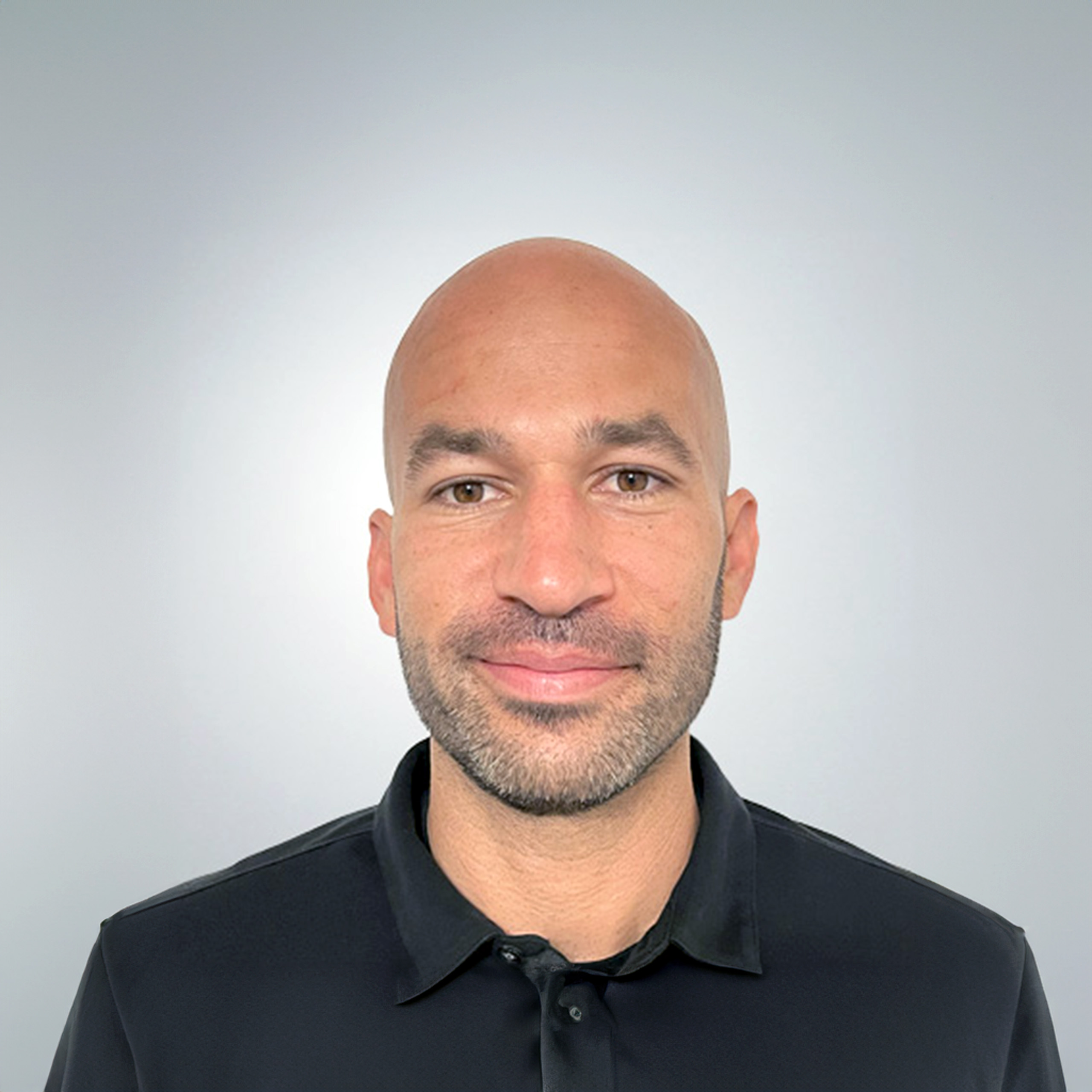
Chad Pinel, CADC II, is a Certified Drug and Alcohol Counselor with nine years of sobriety and eight years of experience working in the treatment field.
He specializes in Holotropic Breathing and meditation practices, bringing powerful tools for healing and transformation to clients in recovery.
Sophia Deahl, MS, RD is a functional medicine dietitian with a Master of Science in Nutrition, Healthspan, and Longevity from the University of Southern California, and an undergraduate degree in psychology.
She is dedicated to helping clients transform their physical and mental health with personalized nutrition and lifestyle support. Sophia takes a root-cause approach, guiding clients in building sustainable habits that support all six lifestyle pillars: nutrition, microbiome, sleep, stress, movement/exercise, and hormone & detox support.
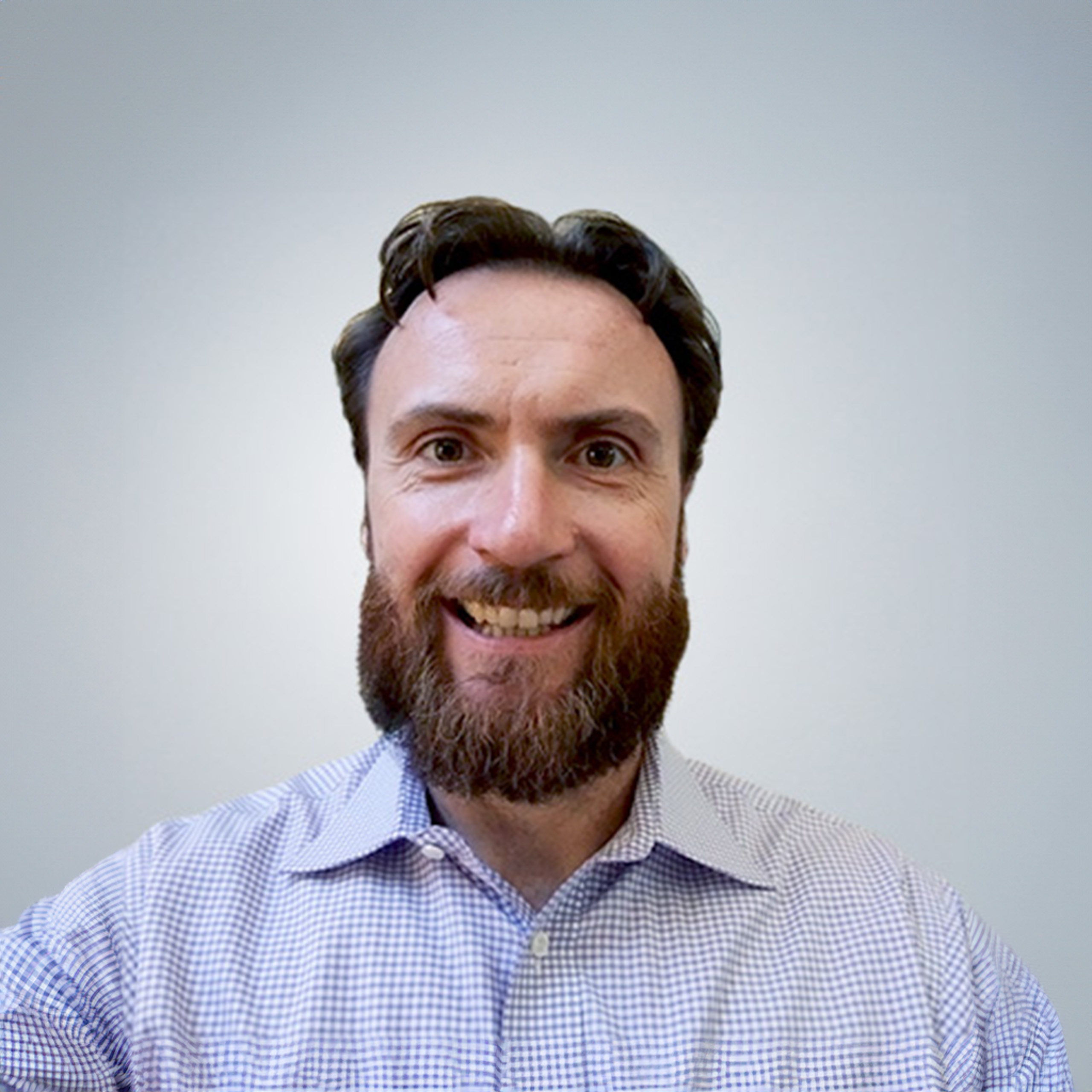
Casey O’Brian holds two Master’s degrees from Pepperdine University: one in Psychology and the other in Clinical Psychology with an emphasis in Marriage and Family Therapy. He has spent the last ten years working in the drug and alcohol treatment sector, holding positions as both a therapist and case manager.
In addition to his extensive experience working with individuals recovering from substance use and mental health disorders, Casey also has firsthand knowledge of the devastation that unaddressed substance use can have on one’s life. As a result, he continues to educate himself across a wide array of topics and shares up-to-date scientific findings in an effort to not only educate clients but to normalize their symptoms.
Similar to experts like Dr. Gabor Maté and Dr. Richard Schwartz, Casey views mental health symptoms—including substance use—as invitations to explore what has happened in a person’s life that has led to difficulty regulating emotions. Using all tools at his disposal, Casey’s main objective is to offer as many healing options as possible. He emphasizes that while individuals are not to blame for the development of their symptoms, they are ultimately responsible for choosing to address them.
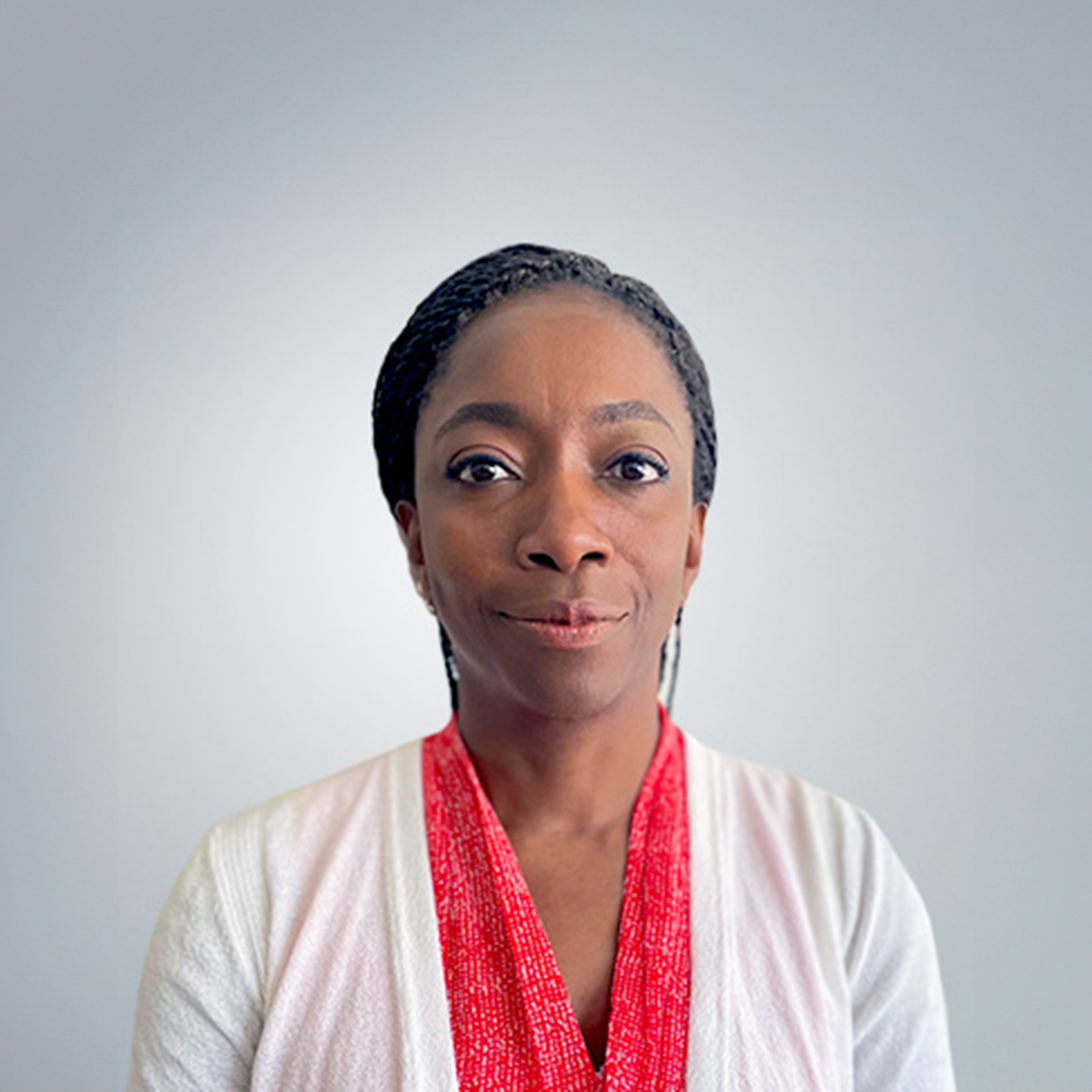
Christine is an Associate Marriage and Family Therapist. She is pursuing a doctorate in Marriage and Family Therapy from Alliant International University.
Christine previously spent 17 years in Information Technology before deciding to pursue her lifelong dream of coming alongside those struggling with mental health difficulties.
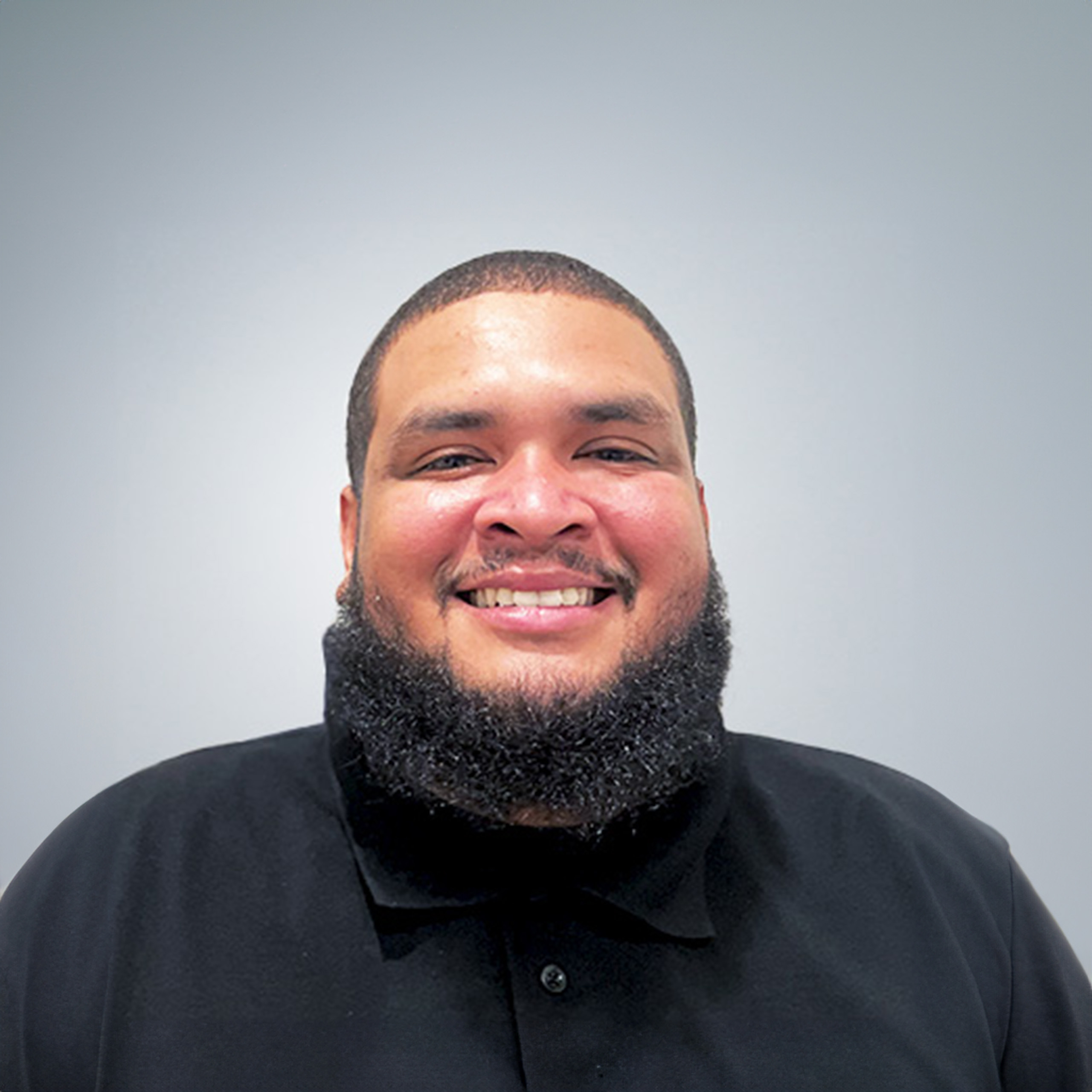
Vaughn has a passion for assisting those struggling with mental health symptoms. His gentle approach to client care is warmly received by both staff and clients at Redeemed Mental Health.
He has a history of working with mentally aggressive disabled adults as a personal attendant.
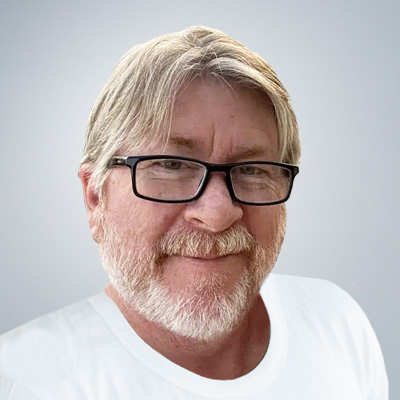
Sean Leonard is a board-certified psychiatric nurse practitioner. He received his master’s degree in adult geriatric primary care nurse practitioner from Walden University and a second postmaster specialty in psychiatry mental health nurse practitioner from Rocky Mountain University.
Sean has experience working in various diverse settings, including an outpatient clinic, inpatient detox and rehab, psychiatric emergency, and dual diagnosis programs. His specialty areas include substance abuse, depression, anxiety, mood disorders, PTSD, ADHD, and OCD.
Sean works primarily with adult populations but has been trained across the lifespan, from children/adolescents to geriatric. He offers medication management, crisis management, and psychotherapy with extensive experience in anxiety/OCD, depression, mood disorders, attention deficit disorders, schizophrenia, and substance use disorders.
He believes that “everyone can benefit from therapy and that many may find great benefit from medicine. Therapy is cornerstone to my practice, medicine or not.”
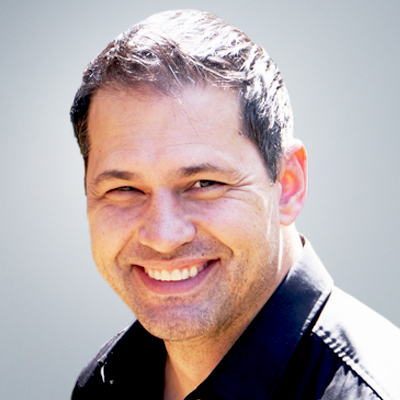
Lee Breitenbach is a Licensed Clinical Social Worker who enjoys providing interventions in a warm, relatable manner to others. He will break down the goals of therapy through education while building rapport and engaging individuals in the present moment.
He currently practices at the Department of State Hospitals as the program assistant to the Trauma Informed Care (TIC) program. He is heavily involved in culturally based committees/workgroups, program development, intervention implementation, and trauma research.
He attended California State University, Fullerton to earn a BA in Psychology, followed by a Master’s in Social Work from California State University, Long Beach. With over 20 years of experience practicing in the field of mental health, Lee has provided therapy in group home settings, substance abuse programs, trauma groups for Veteran’s Affairs Long Beach, hospice care, and currently in in-patient mental health settings.
He specializes in trauma recovery and group dynamics.
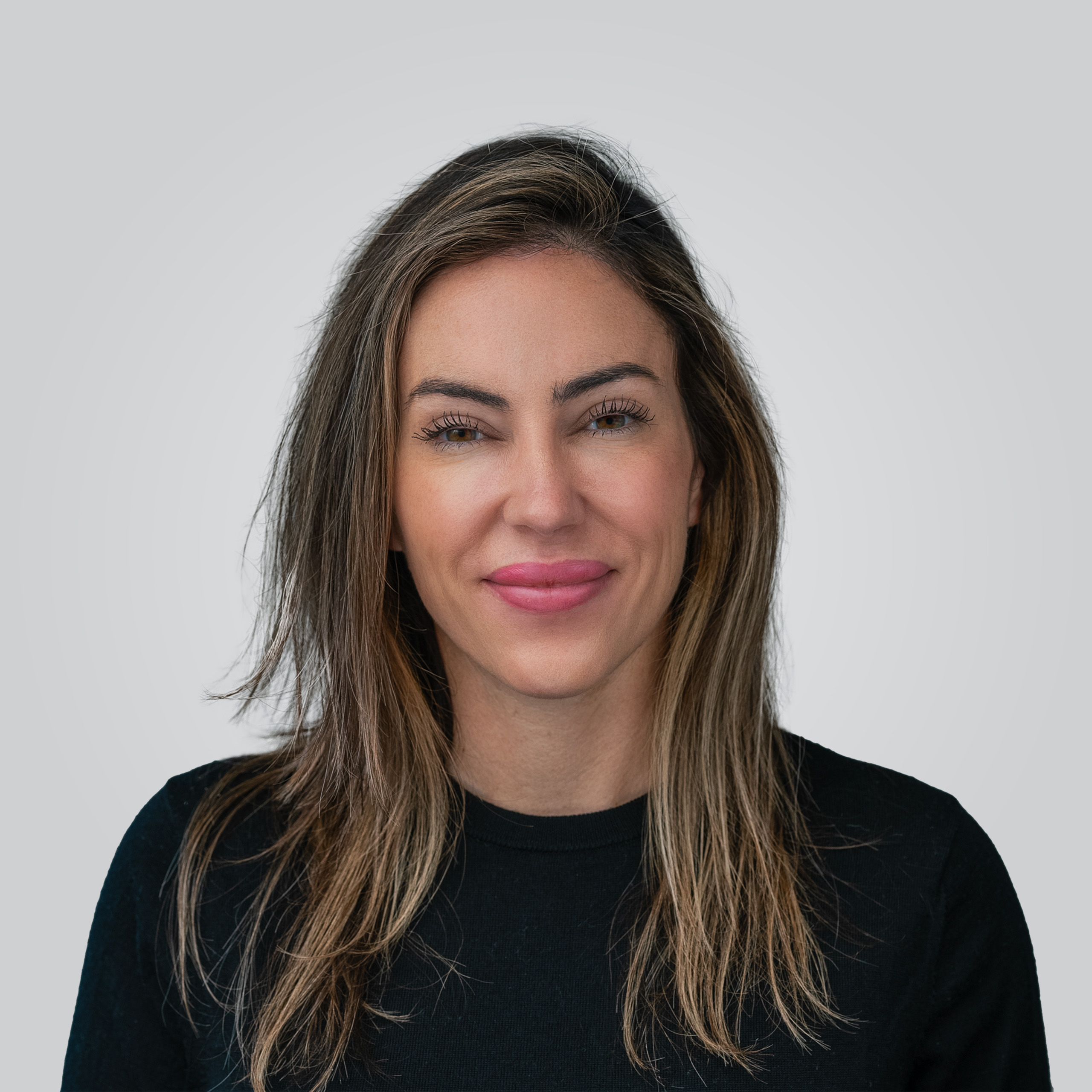
Dr. Andrea M. Wagner, Psy.D., is the backbone of Redeemed Mental Health. With a wealth of experience across various settings, Dr. Wagner brings a unique perspective to mental health treatment. She is passionate about making complex therapeutic issues easily understandable and provides a roadmap to mental well-being that is tailored to each individual’s unique journey.
Dr. Wagner strives to provide an easily understandable approach to difficult and complex therapeutic issues. She translates complicated concepts into basic and simplistic strategies aimed to achieve personalized results.
She has practiced at the Department of State Hospitals (California in-patient forensic psychiatric hospital) and is an active member on multiple committees. Dr. Wagner earned her Doctorate of Psychology in Clinical Forensic Psychology from The Chicago School of Professional Psychology. Her experience spans the United States Army, UCI Medical Center, Juvenile Recovery Court, and the California Department of Corrections and Rehabilitation.
Dr. Wagner specializes in treating adults with severe mental health challenges that impact daily life. She is highly skilled in psychological assessments, including personality, intelligence, developmental, and learning disability evaluations. Her expertise includes Schizophrenia, codependency, personality disorders, and mood disorders.
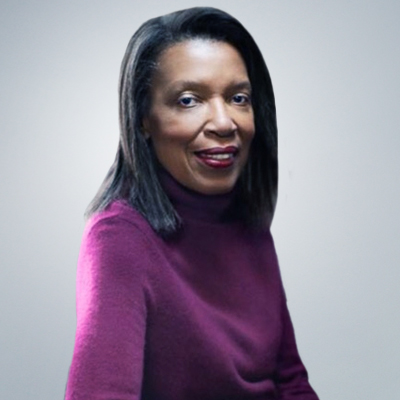
Dr. Habermehl (“Dr. Dee”) earned her medical degree at New York University. She then completed an internship at Brown University, followed by a residency at Stanford University, in Palo Alto, California. She also earned her MBA with a Healthcare Focus at Yale University School of Management.
Dr. Habermehl is a specialist in Addiction Medicine and is Board Certified in Addiction Medicine and Gynecology and Obstetrics. She is a Fellow of the American Society of Addiction Medicine as well as the American College of Obstetrics and Gynecology.